

“We are doing something wrong. Look at all the money there!” – exclaimed my friend, sharing a picture with a price list for Gamescom Opening Night Live sponsorships.
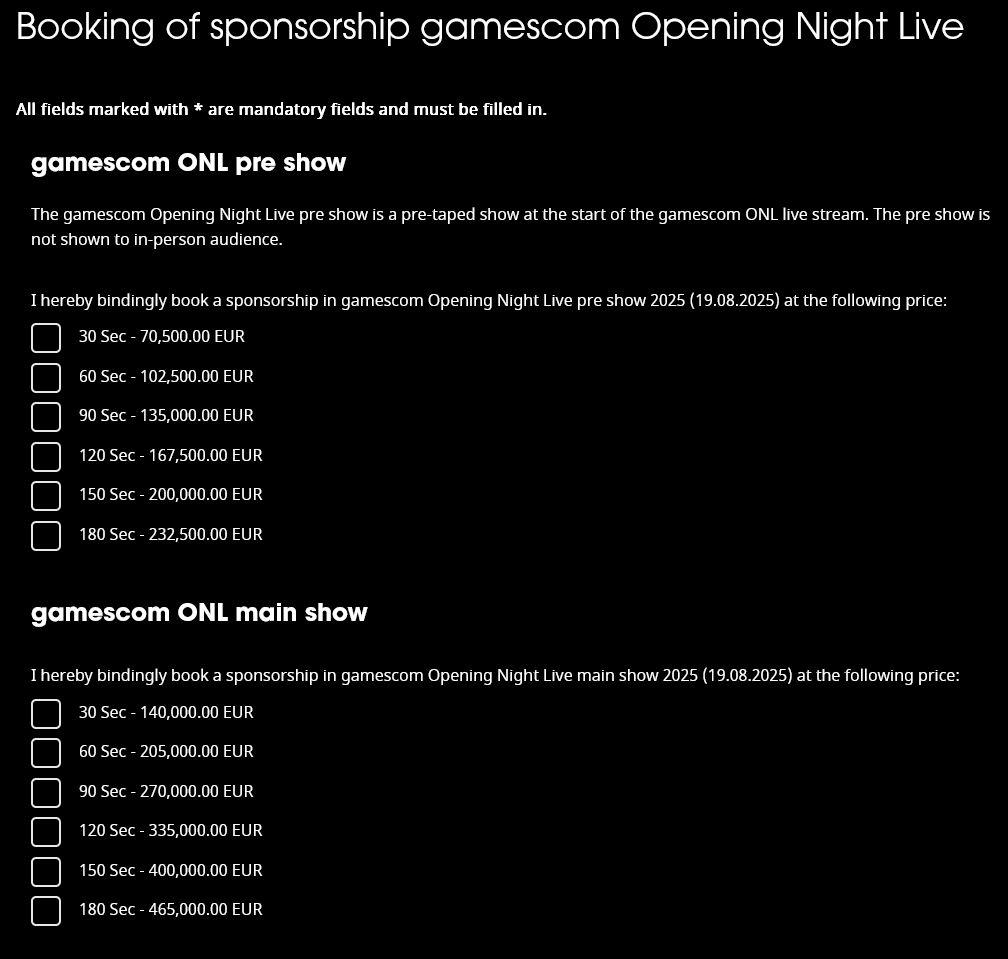
Yes, Gamescom is huge. One of the last three giants standing (with GDC and Summer Game Fest) after E3’s fall from grace. It makes sense that the price of entry is steep. While these mega-events dominate the headlines, there’s a whole ecosystem of “smaller” but still epic gatherings like NordicGames, PAX, PocketGamer Connects, DevGamm, WN, Digital Dragons and many more all over the world. They may not have the same stage lights and scale, but they pack a punch in terms of community, deals and knowledge. Which in the end translates into impact (and significant revenue streams, of course).
I could not help but reminisce about the time when our team organized our own conference in my hometown, Rostov-on-Don.
Back in 2019, the CEO of the Full HP studio got an invitation to speak at one of the well-known mobile conferences. There were a few studios in the city, but the relationship in the community was a bit tense, even hostile (probably because we were hunting for the same talent). We were looking for a way to step out of the shadow of our main competitors and speaking at the event was an opportunity. But then weird thing happened – our direct competitors pulled an unexpected move, got in contact with organizers and asked them to ban our CEO from speaking. And so they did, with a very silly and lazy official reasoning behind the decision. We tried to negotiate but ended up with nothing. Being furious about this, I suggested that we throw our own conference and the CEO got all in. Except we called it a festival.
We had no prior experience. We hadn’t even been to any conference before to take notes. But we had enthusiasm, persistence and confidence (and the Internet).
For the name, we were looking for something that would reflect the spirit of our southern city and came up with a Sunflower game_dev festival. Then, those 8 weeks of preparation started (it’s a very tight window for organizing such an event).
The venue was provided by our good partners, an educational organization that already invited us before to create a course for game development enthusiasts.
The majority of the organizational efforts were on me and the CEO: while he was in charge of the financial aspect, negotiating the prices and promotion, I was figuring out the format and program, scouting the speakers and sponsors, negotiating with service providers (we had to prepare a bunch of materials, gifts, etc.) Together, we put up a website with a logo that another friend of mine designed for us. Many members of the studio took part in helping us: with tech setup, taking photos, preparing the badges or even providing the content by speaking or presenting their pet projects. I was hosting the event (do NOT combine organization and hosting, hard to be in two places at the same time!)
The conference had three main tracks:
- Open lectures with speakers sharing advice on 3D modeling, development process, publishing, PR and copyright protection.
- A deconstruction contest for indie projects – the contestants presented their projects and described the potential, while the audience and the jury experts asked follow-up questions. In the end, the three winners of the voting result got some prizes and awards.
- Investment sessions, where developers presented their ideas and concepts behind the closed doors to get the investment from a bunch of investors.
We also served coffee, tea, breakfast snacks and lunch for everyone, and special lunch, dinner and afterparty for the holders of the VIP tickets. There was a photo zone, time for networking and some small presents for every attendee.
It was exciting to see how the idea went through all the stages and ended up with a packed but fulfilling day. We left the conference not just with a lot of emotions and experience, but also with new partners and hires.
Gamedev gatherings were rare in our region. Looking back, it was messy. Improvised. Chaotic. And somehow, it worked. Almost 300 attendees showed up and the event ended up being ROI-positive. Because everyone pitched in and because the timing was right.
The reviews were quite positive and the people were looking forward to the next year as we planned to make it a recurring festival. But then life happened, COVID specifically. By the time restrictions were lifted, both I and the company had moved in different directions.
And yet, the Sunflower game_dev festival remains one of the most exciting projects of my career. Not because it was perfect but because it showed what a motivated team can build with a bit of money, very little time and a lot of enthusiasm.
Sometimes the meaningful moments don’t happen on the biggest stage. They happen when a few dozen (or a few hundred) passionate people gather in the right place, at the right time, for the right reasons. Just a reminder for you that if you start where you are, lean on your community, improvise boldly and do it in the right time with the right people, even the craziest idea may work out.
 Retrieving Thoughts